
Winter landscape photography is my all-time favourite style of photography and rewards those who are well prepared. Getting out early for sunrise, standing in snow or frost, or waiting for the perfect light in sub-zero temperatures means your comfort — and your ability to operate your camera — depends entirely on what you're wearing. The locations we regularly photograph in winter — the New Zealand South Island, Iceland, Norway, the Canadian Rockies, and the Snowy Mountains of Australia — all demand serious respect for the cold. The good news is that once you understand the layering system, staying warm becomes second nature. While heat loss is proportional across your body, it's your hands and feet that will feel it the most. Here's what we recommend for staying comfortable and capable in the field during winter conditions.
Staying warm in the field means thinking in layers — from skin to shell.
The Base Layer — Start from the Skin Up
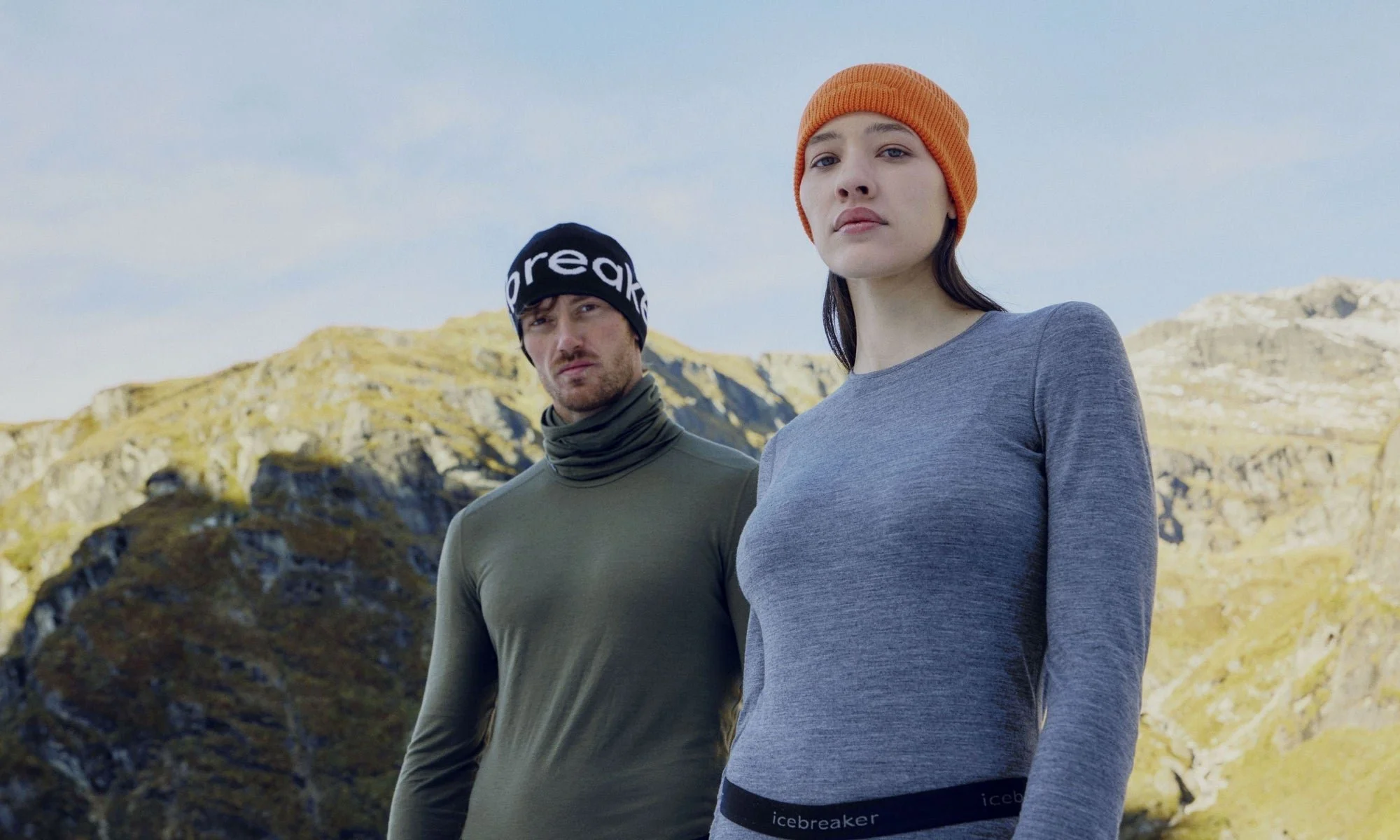
The base layer is the foundation of your whole system, and it's the most important one to get right. This is the layer that sits directly against your skin, and its job is to wick moisture away from your body as you move and generate heat. If your base layer holds onto sweat, you'll get cold fast — especially when you stop moving to set up your shot.
We strongly recommend a 100% merino wool base layer of at least 200 GSM. Unlike synthetic fabrics, merino is naturally odour-resistant, regulates temperature exceptionally well, and remains comfortable even when slightly damp. For top and bottom, you want a fitted layer that moves with you without bunching under your other clothing. Look to brands like Macpac, Icebreaker, and Helly Hansen — all of which produce excellent merino base layers designed for New Zealand and alpine conditions.
The Mid Layer — Trap the Heat
Once your base layer is doing its job, the mid layer's role is to trap the warm air your body generates and hold it close. A good mid layer needs to breathe well as conditions and activity levels change — you don't want to be overheating on the hike in, only to get cold when you arrive at your shooting location.
Fleece is the classic choice here, but lightweight down, primaloft or synthetic insulated jackets can also work well as a mid layer when conditions are dry. The key is versatility — something you can open up or remove as needed. Look for a mid layer with a full zip and a fitted but not restrictive cut. I have several that I regularly use. My favourites are Macpac, Helly Hansen, and Mons Royale.
The Puffer — Serious Insulation When You Need It
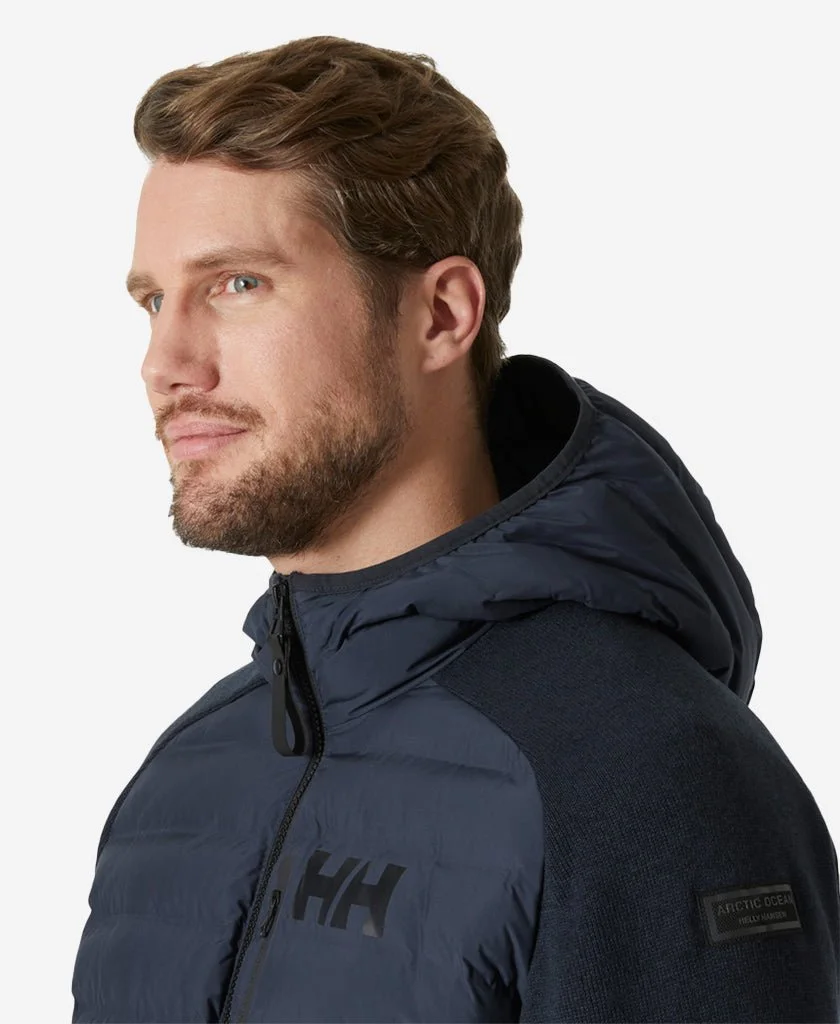
There are days out there when you're standing around in sub-zero temperatures where a mid layer alone won't cut it — early mornings in exposed weather conditions, waiting for a sunrise in wind and frost, or shooting in alpine environments where temperatures really drop. This is where a warm puffer or insulated jacket earns its place in your pack.
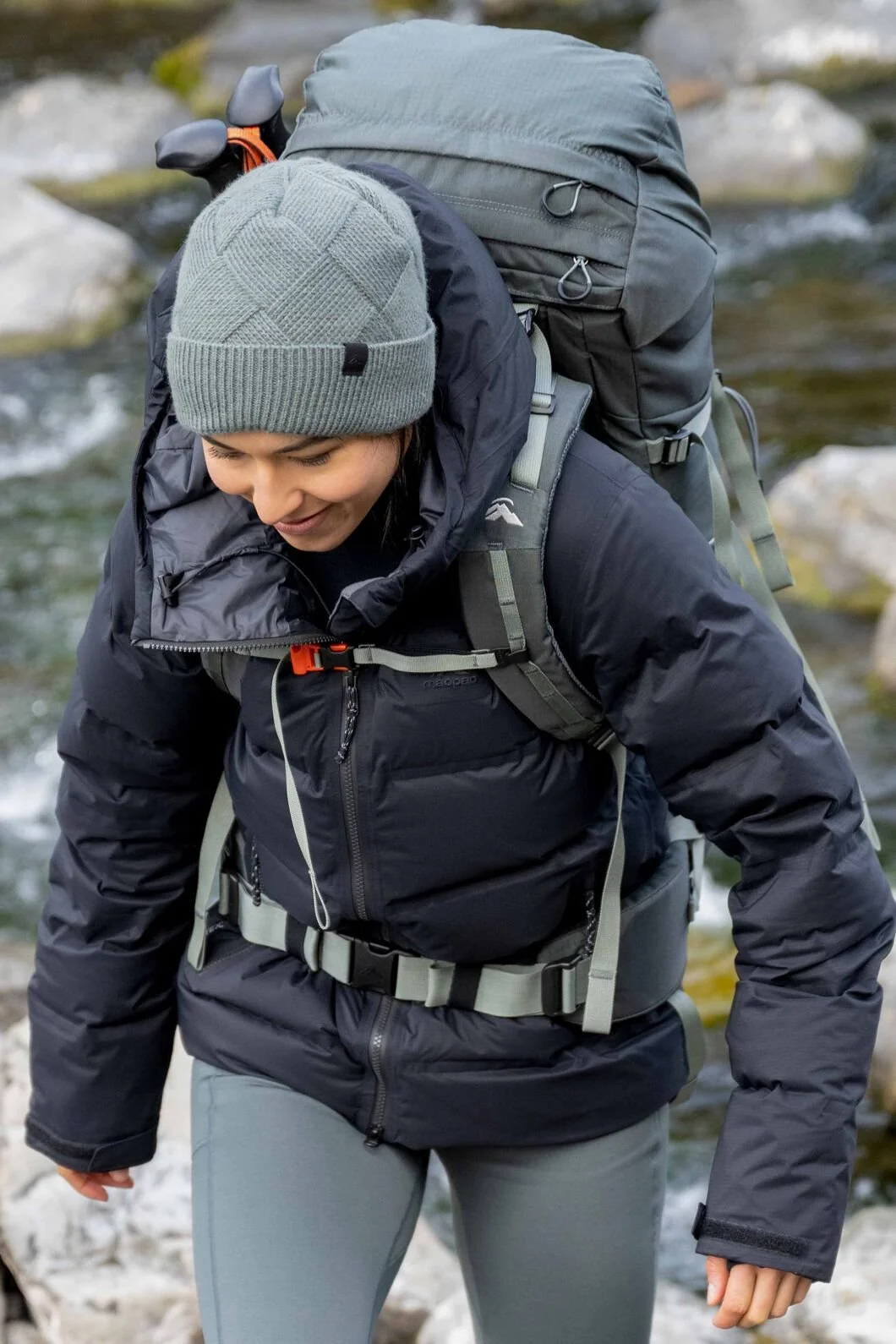
A quality down or synthetic puffer adds serious warmth without a lot of bulk or weight. Many photographers keep this layer packed away and pull it on the moment they stop hiking and start shooting. Think of it as your "standing still" layer — the one that keeps your core warm while you're focused on your composition and not generating much body heat. I have a few different ones, but the two standouts for me are the Macpac Phoenix Waterproof Down Jacket and the Arc'teryx Thorium puffer jacket.
The Shell — Your Defence Against the Elements
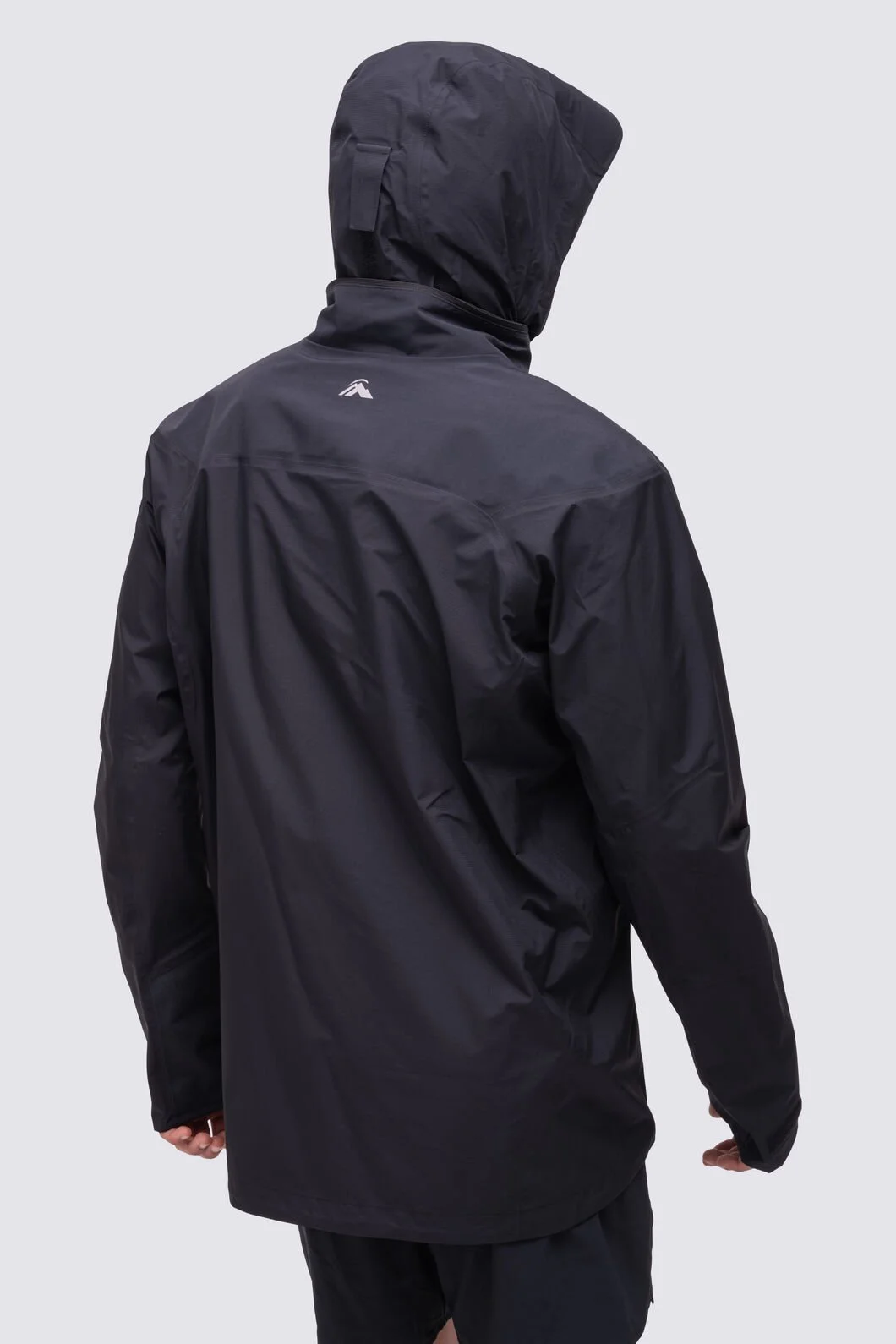
Your outer shell is the layer that protects you when the weather turns. A waterproof, windproof shell jacket goes over everything else to shield you from rain, snow, sleet, and biting wind, while still allowing moisture from your base and mid layers to escape. For landscape photography, choose a jacket that is genuinely waterproof—not merely water-resistant—and breathable enough for long walks, hikes, and active shooting in changing conditions. The breathability is important as it will stop you from sweating underneath. Materials such as Gore-Tex are perfect for this.
A shell does not need heavy insulation; that is the role of your mid layer and puffer jacket. Instead, look for dependable waterproofing, adjustable cuffs to seal out wind and rain, and a practical hood that works comfortably with a beanie. I use a Macpac Traverse Jacket as my waterproof shell.
Waterproof pants are just as important when you are working in snow, rain, or muddy conditions. Ideally, they should use the same waterproof, breathable material or membrane as your jacket, giving you reliable protection while preventing moisture from building up inside. I strongly prefer pants with full-length or zip-off side zips, as they are far easier to put on and remove without having to take off your boots—especially useful when a shower rolls in quickly or you are already out in the field. The zip-off pants I currently use are made by a company called Icewear.
Pants — Softshell Over Snow Pants
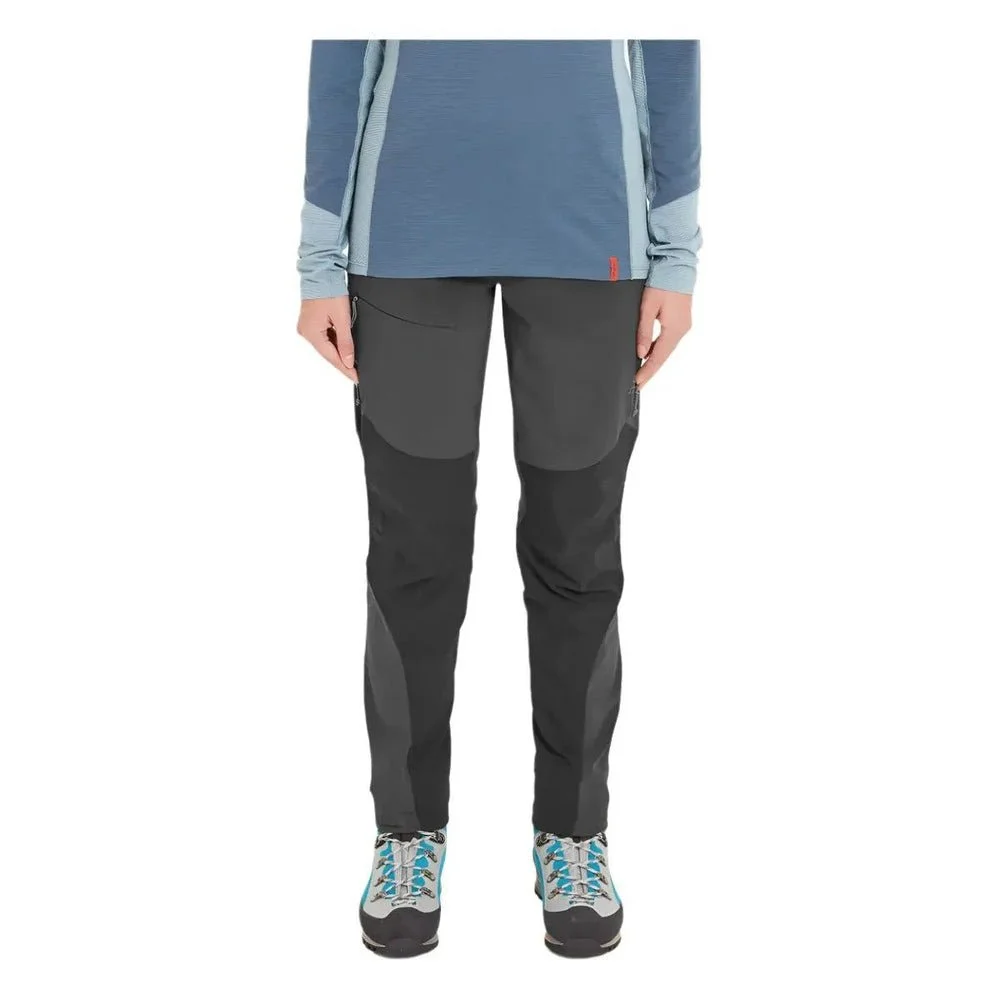
For most winter landscape photography situations, softshell pants are our preferred choice over bulky snow pants. Softshell offers wind resistance, a degree of water repellency, and excellent freedom of movement and comfort — you're not waddling around like you're on a ski field. They're far more practical for hiking, scrambling on rocks, and kneeling down for low-angle compositions.
If conditions are genuinely severe — deep snow, extended exposure — you can layer a lightweight merino thermal bottom underneath your softshell for extra warmth. Save the full snow pants for ski fields. Another thing to seriously consider here is some of the hunting brands of pants. I have some by a company called Hunter's Element.
Socks — Don't Skimp on Your Feet
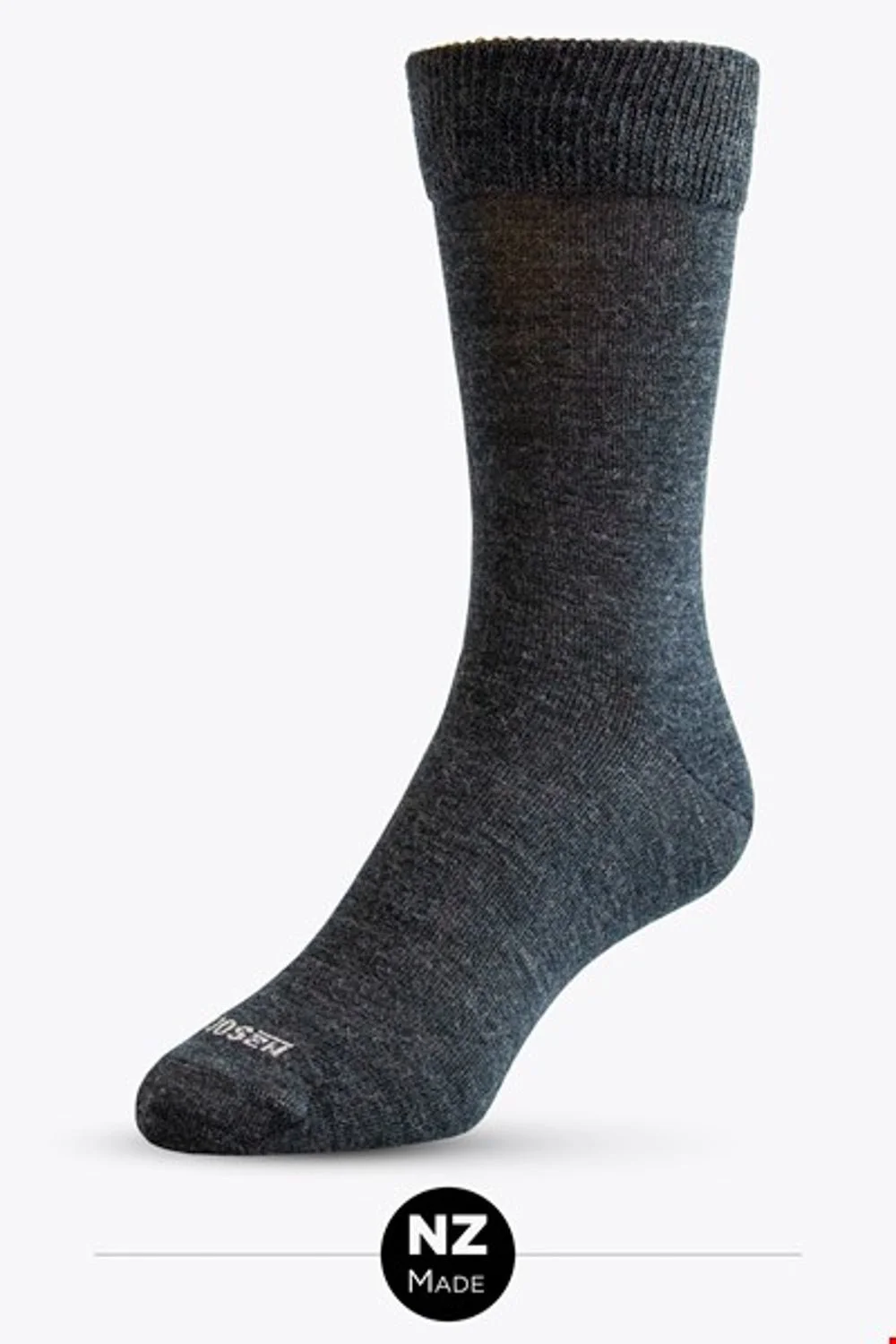
Your feet are on the ground — often on cold, wet, or frozen ground — for hours at a time. A quality pair of wool socks is one of the best investments you can make for winter photography comfort. We recommend 100% merino wool socks, possum fur blend socks, or alpaca wool socks. All three offer superior warmth, moisture management, and natural odour resistance compared to cotton or synthetic options.
Go for a thick hiking sock with a good amount of cushioning in the sole — your feet will thank you after a long day shooting in the field. Some great sock brands to consider are Norsewear and Lindner.
Gloves — The Photographer's Challenge
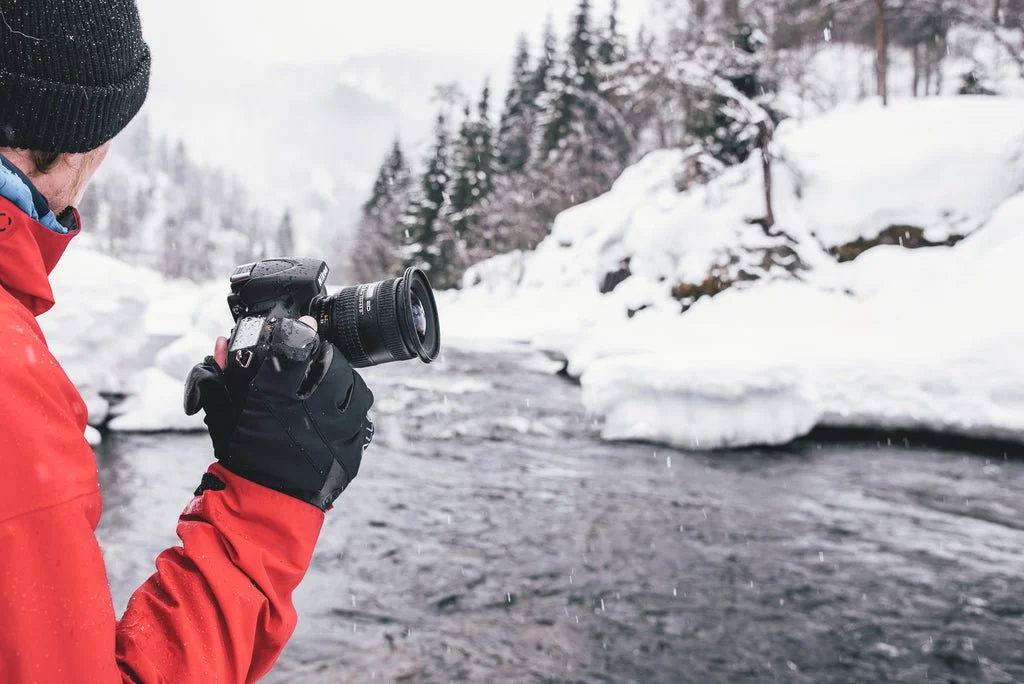
Gloves present a unique challenge for photographers: you need warmth, but you also need to be able to operate your camera controls, adjust dials and buttons, change settings, and press the shutter with precision. Standard winter gloves simply don't cut it.
There are a few pairs designed specifically with photographers in mind, and two that we can recommend are the Summit Creative Photographers Gloves and the Vallerret Photographers Gloves. Both are designed to give you the dexterity you need at the fingertips while keeping your hands warm enough to shoot comfortably in cold conditions. It's worth trying a couple of different options to find what works for your shooting style.
Beanie — Keep Your Head Warm
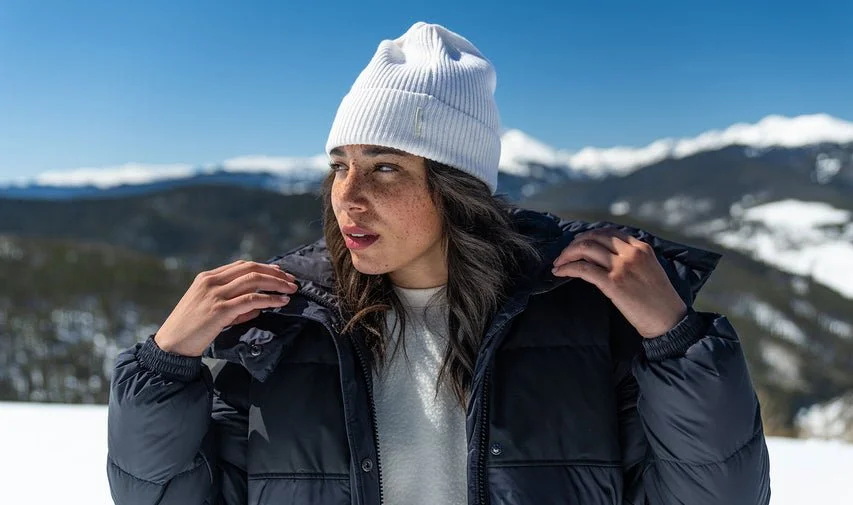
It's often said that a significant amount of your body heat escapes through your head, and in cold outdoor conditions, that's a real factor. A good beanie is a small and lightweight piece of gear that makes a substantial difference to how warm you feel overall. When your head and ears are cold, everything feels colder.
As with the rest of the system, we prefer natural fibre options — a quality merino wool beanie will keep you warm even in damp conditions and won't feel scratchy or uncomfortable over long shoots. Keep it in your jacket pocket so it's always within reach.
Footwear — Waterproof is Non-Negotiable
Good boots are arguably the single most important piece of gear in your winter kit. As a landscape photographer, you're walking on wet grass, crossing frosty ground, stepping through snow, and navigating terrain that would destroy a standard sneaker in minutes. Once your feet get wet and cold, your shoot is effectively over.
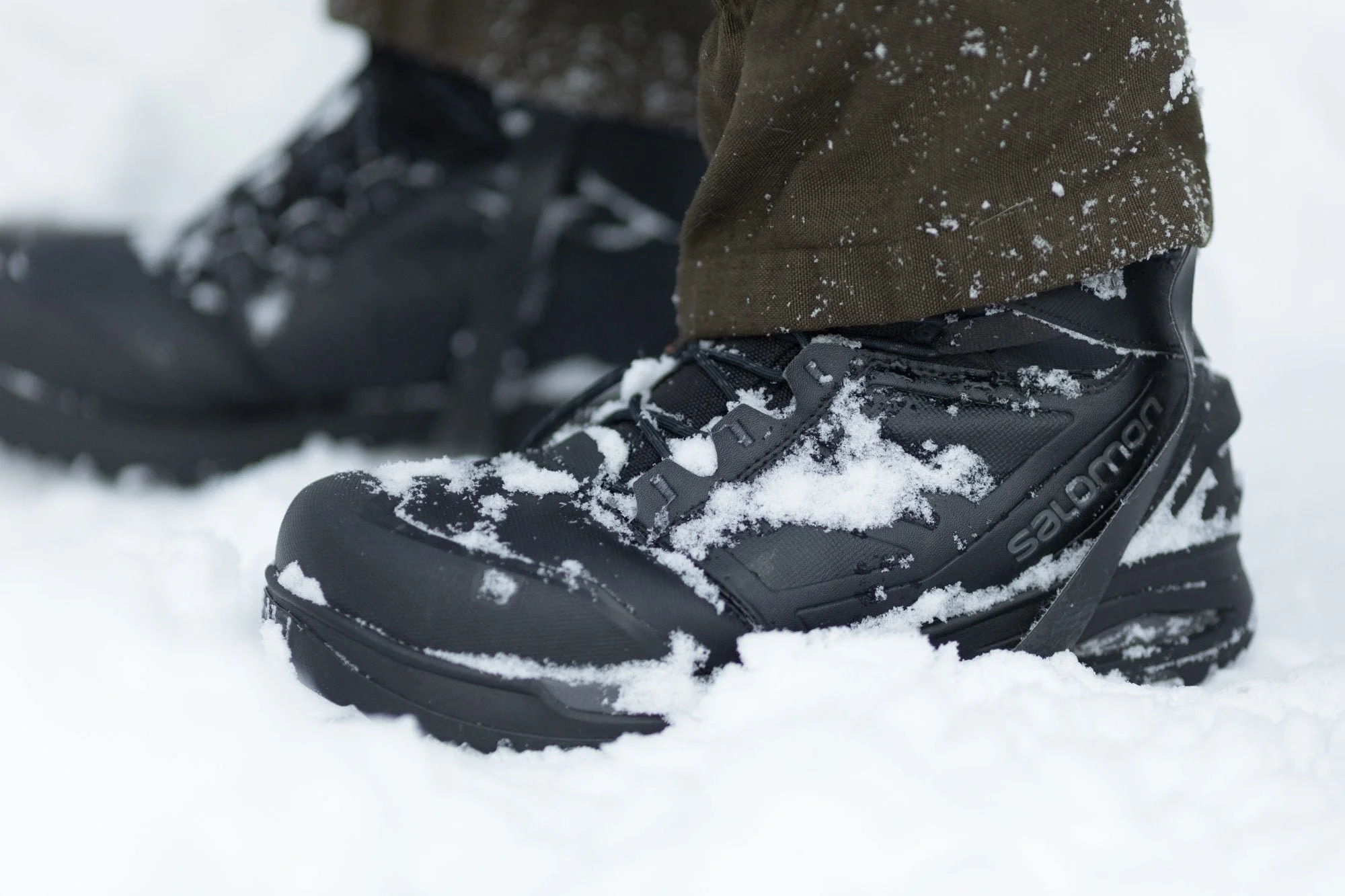
GORE-TEX waterproof boots are a must for winter landscape photography.
The waterproofing is non-negotiable — look for boots with a GORE-TEX membrane or equivalent waterproof lining. Beyond that, you want good ankle support, a grippy outsole for wet rocks and icy ground, and enough room to accommodate a thick merino sock. A brand we consistently trust and use is Salomon — their hiking boots combine excellent waterproofing, durability, and comfort in cold and wet conditions. A pair of quality GORE-TEX Salomon hiking boots will last you for years of winter photography adventures.
Recommended Brands
When it comes to building a quality winter photography wardrobe, we regularly recommend the following brands:
Macpac — excellent merino and outdoor technical apparel, particularly strong in New Zealand conditions
Icebreaker — premium merino wool base layers and mid layers
Helly Hansen — trusted shells and layering systems with Scandinavian cold-weather heritage
The North Face — broad range of puffers, fleeces, and shells for alpine conditions
Columbia — reliable and accessible mid layers and outerwear
Arc'teryx — premium technical outerwear for serious alpine environments
Salomon — our go-to for waterproof hiking boots
Norsewear - great brand for socks
Stay warm, stay dry, and get the shot. Questions about what to pack for one of our tours? Get in touch — we're always happy to help.
Brett Wood Photos runs small-group landscape photography tours from Twizel in the Mackenzie Basin, New Zealand. Find out more at brettwoodphotos.com