
There's a secret to enjoying and succeeding at landscape photography, and it has very little to do with your gear.
Whether you're on one of my photography tours or heading out on your own landscape photography self-guided adventure, one shift in mindset changes everything. Stop asking, "How much can I fit in?" and start asking, "Which experiences deserve my time?" It sounds small, but it matters. Some of your best landscape photographs will come from things you never planned at all: an unexpected detour, a shift in the weather, a chat with a local or a fellow photographer.
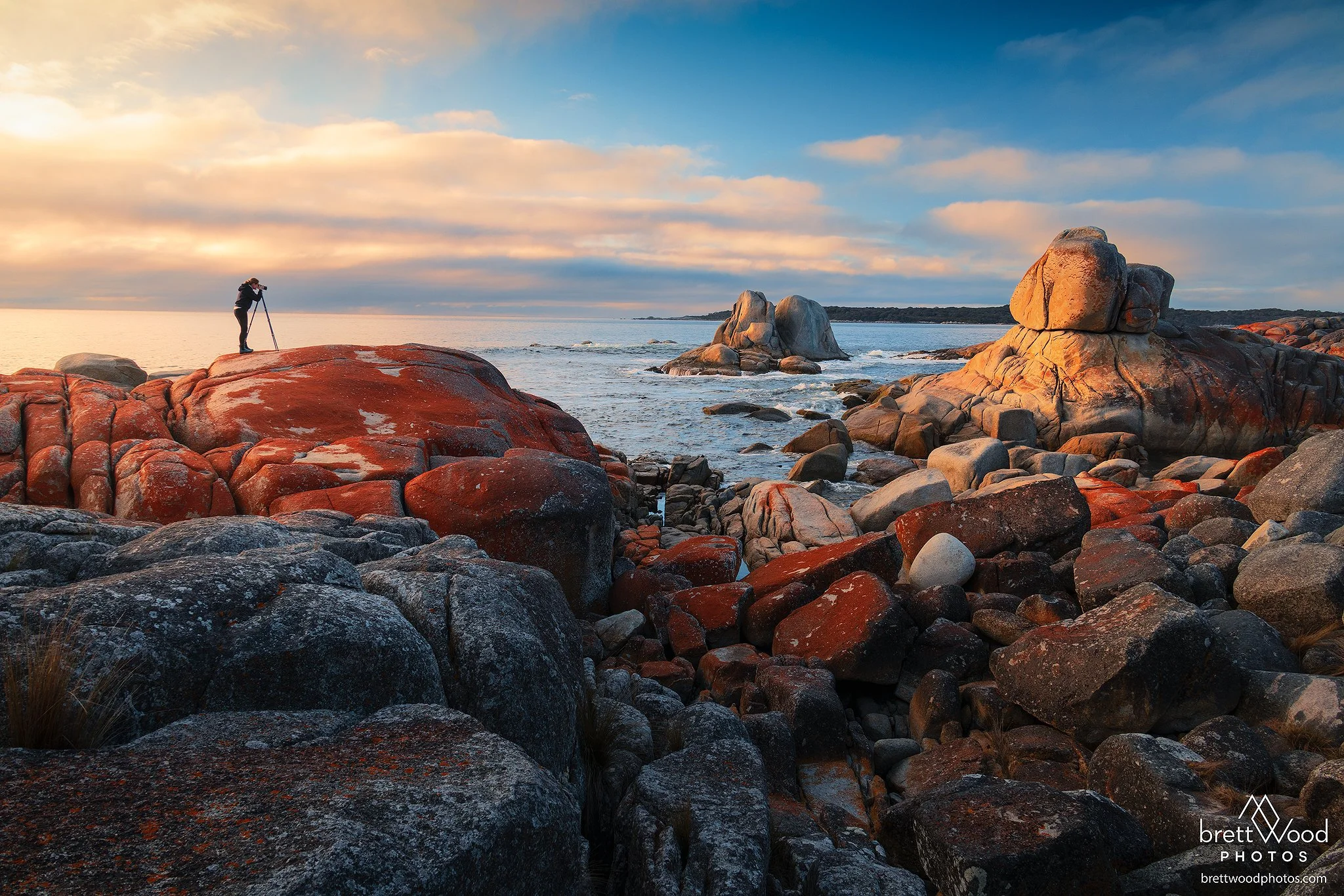
There's another trap I see photographers fall into (and I've been guilty of it myself): the imaginary photograph. We arrive somewhere with a finished image already in our heads. Perfect sky, perfect light, perfect reflection, perfect timing. Then reality turns up, gets compared with that imaginary frame, and reality almost always loses. I've seen people absolutely crippled by the pressure of that imaginary photograph, so busy chasing it that they forget to simply enjoy being there. A much kinder question is, "What photograph is this place offering me today?" rather than "How do I force this place to give me the photograph I imagined?" That one change makes landscape photography far more enjoyable, and it's where your technical skills earn their keep. Once composition, focusing and exposure techniques are second nature, you're free to relax and really look. Get your mindset right, and everything else follows. As the saying goes, "Change the way you look at things, and the things you look at will change."
Before every photography tour, we give our clients the same short briefing, and it boils down to five simple reminders. Always go with the flow. Manage your expectations. Shoot what's in front of you. Feel the landscape. And be an observer of nature's rhythm, not a hunter chasing a trophy. That last one is the heart of it for me. Landscape photography is so much more rewarding when you stop hunting and start noticing.
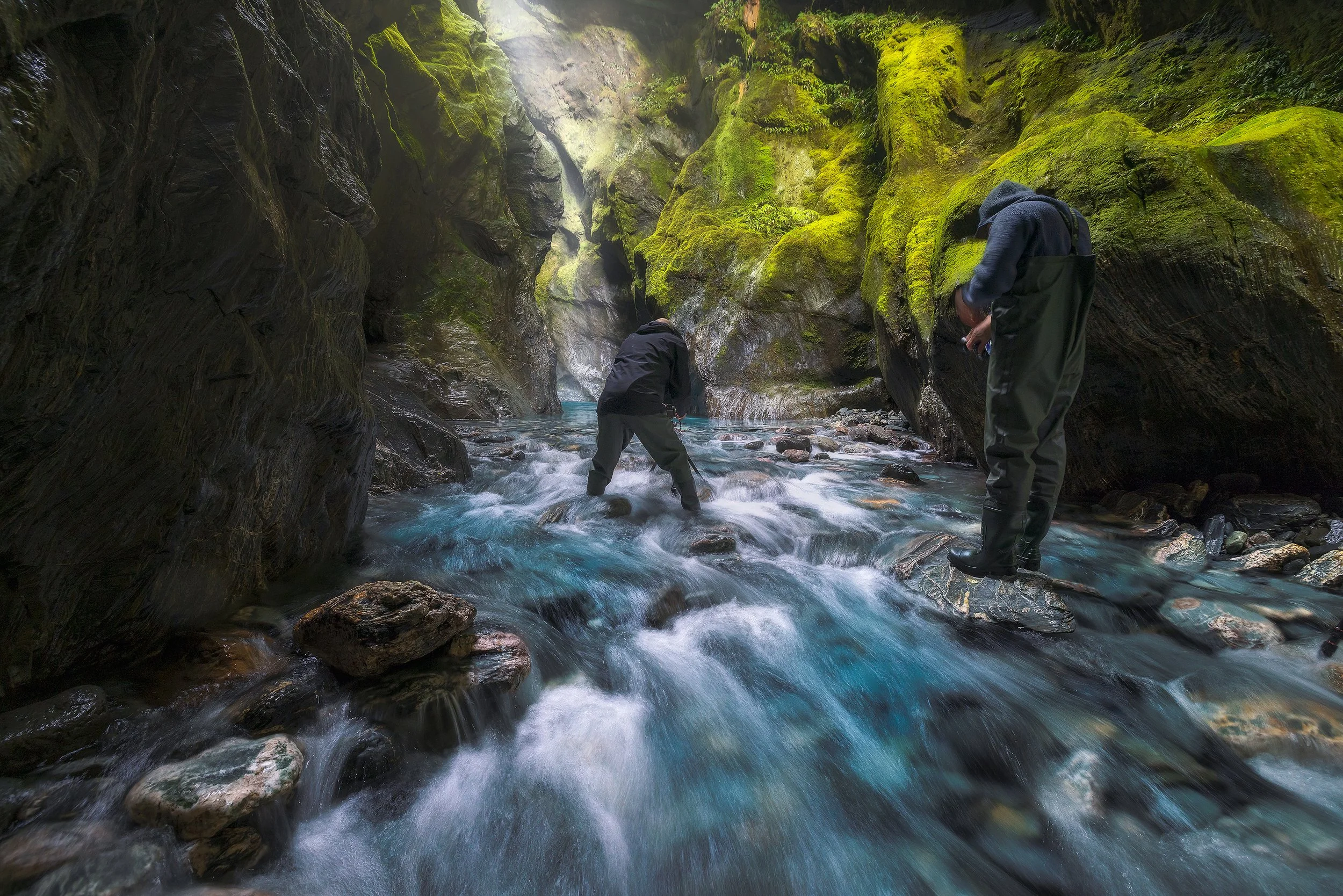
In practice, here's what that looks like for me, and it might surprise you. When I arrive at a location, my camera usually stays in the bag for at least the first half hour. I walk around. I sit down. I watch, I listen, I observe, and I let the landscape come to me instead of chasing it. Nothing forced. By the time I do pick the camera up, I've usually got a good feel for the place, and I'm shooting on instinct rather than ticking items off a shot list. Trust that instinct. It's rarely wrong, and it's a lot more fun than rushing.
And then there's the weather. Personally, I don't get hung up on it. In fact, I don't really care about it at all. Some of my best-ever photographs have been made in rough weather, when the sky is moody grey, the light is doing something unexpected, and everyone else has gone back to the hotel. As I like to say, "We can pick the day, but we can't pick the weather." So turn up, rug up, and see what the conditions give you. Bad weather is often just good landscape photography in disguise.
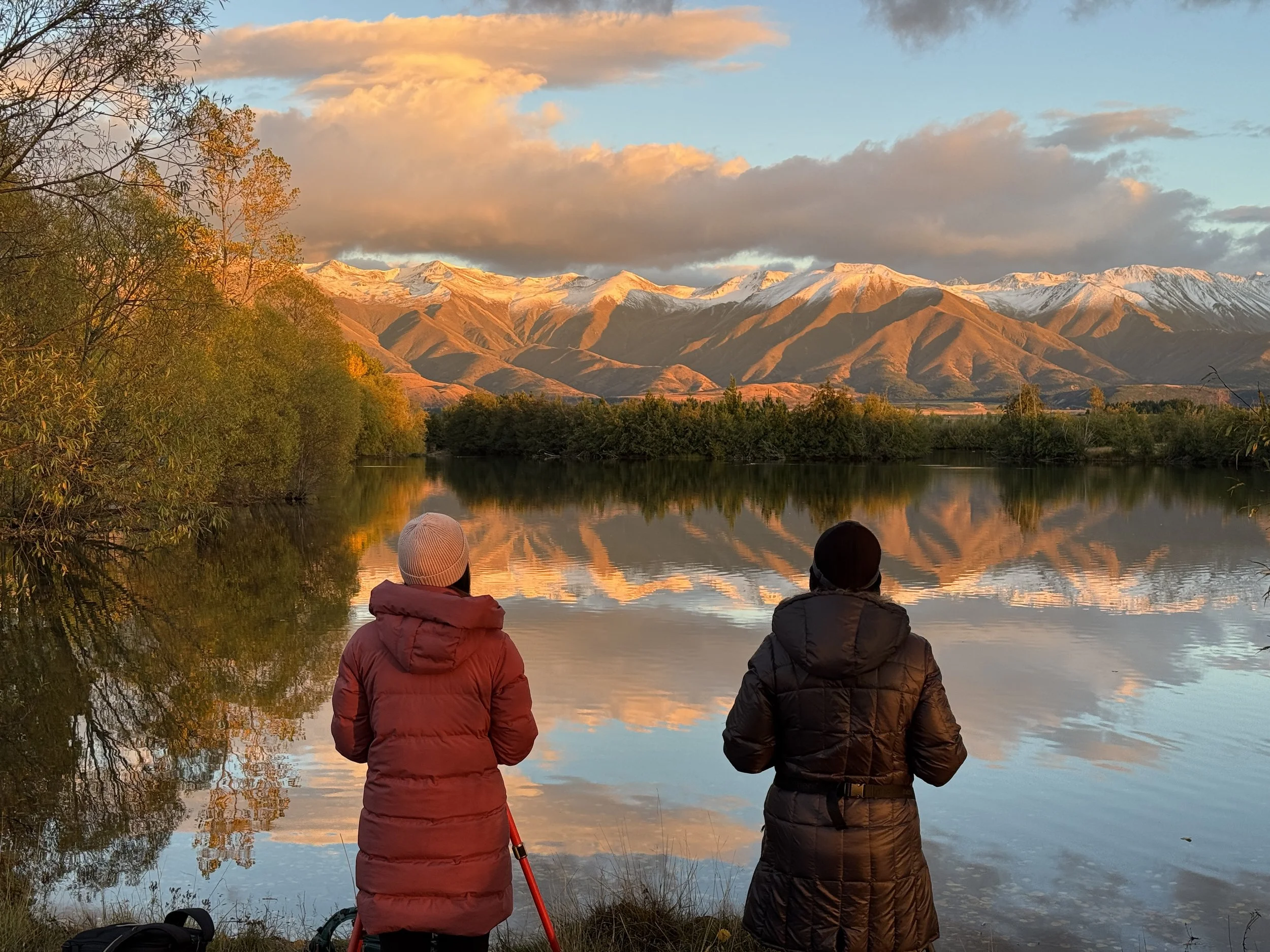
It's so important to take the pressure off yourself, because once you do, things begin to flow organically. That's why my favourite landscape photography tip for any photography trip is to give yourself one target for the whole journey. Not twenty. Just this: if I come home with three photographs I genuinely love, this was an extraordinarily successful trip. Three. Not three a day, three from the entire trip. You'll take hundreds of frames and probably end up loving far more than three, but keeping the bar low takes away the pressure for every sunrise and sunset to deliver portfolio material. And here's the irony: less pressure probably makes those three photographs more likely. You stay longer. You observe more. You experiment. You notice little pockets of changing light. You stop rushing to the next pin on the map.
So next time you're out with your camera, slow down, breathe it in, and let the place show you what it's got. That's the secret.
All the best with your photography, Brett.